

Irrigation Leak Detection & Repair in Westminster, CO
Westminster homeowners dealing with irrigation leaks can reach our team at (303) 552-3896. We use non-invasive acoustic, thermal, and tracer-gas technology to locate the failure point before any wall or slab opening work begins. Licensed in Colorado through DORA. Serving all of Westminster, Adams and Jefferson Counties.
What Causes irrigation leaks in Westminster
Westminster's Adams and Jefferson County straddle produces a notable difference in residential lot sizes and landscaping scale between the city's two county sides. The older Adams County-side neighborhoods in eastern and northern Westminster, including Westminster Heights, Cotton Creek, and Trendwood, have traditional suburban lot sizes with established turf that was irrigated through spray-head systems installed during the 1980s and 1990s landscaping wave. The Jefferson County-side neighborhoods in southern and western Westminster, including Bradburn Village, the Standley Lake area, and Crown Pointe Westminster, have more variable lot configurations, including townhome properties with limited irrigation systems and larger single-family lots with multi-zone drip and spray combinations installed in the 2000s. The Adams County-side older irrigation systems and the Jefferson County-side newer systems present different failure modes, different burial depths, and different backflow configurations that shape the irrigation leak detection approach for each Westminster address.
Westminster's irrigation system cohort divides into two primary failure age groups. The 1985-to-2000 systems in Cotton Creek, Trendwood, Mandalay Gardens, and the Westminster Heights area are 25 to 40 years old, with PVC lateral mains that have experienced multiple decades of Westminster's bentonite clay soil movement. The solvent-weld PVC joints in these older systems are the primary failure point, particularly at tee fittings where lateral branches connect to the main, and at riser connections where the soil movement stress concentrates at the transition from buried lateral to the surface riser. The 2000-to-2010 systems in Walnut Grove Westminster, Crown Pointe Westminster, and Standley Lake-adjacent neighborhoods are 15 to 25 years old, where drip emitter line connections and manifold fittings are the emerging failure sources alongside soil-movement joint stress.
Irrigation Leak Detection & Repair: The Westminster Detection Process
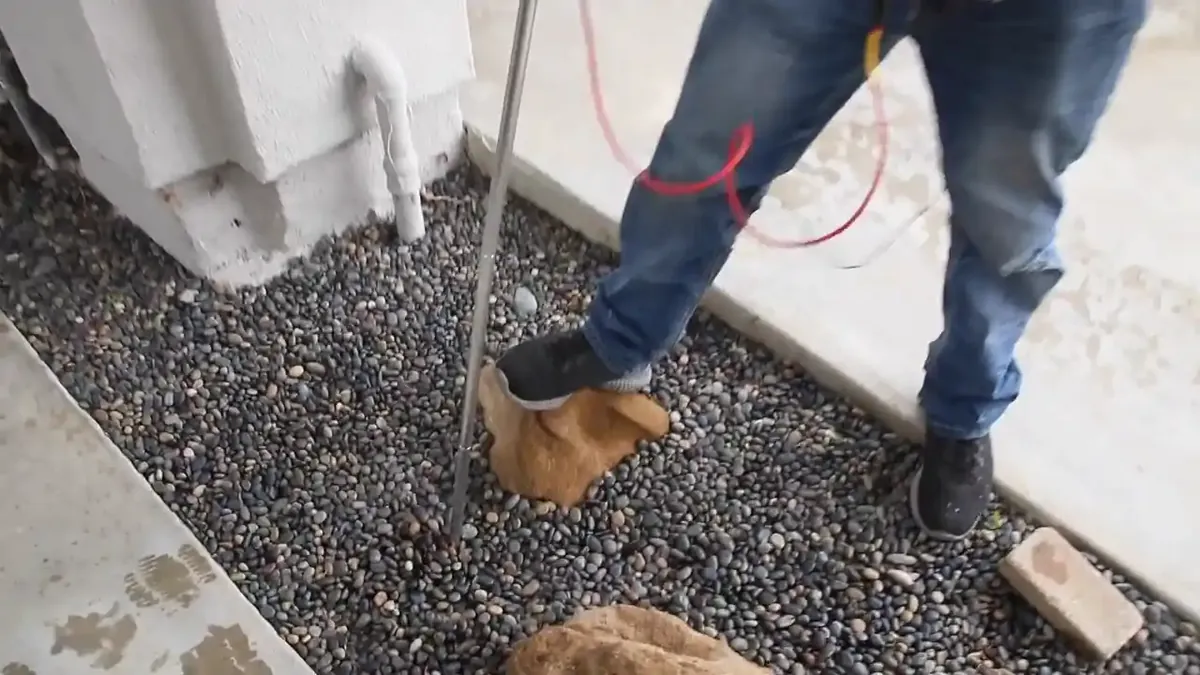
Westminster irrigation leak detection uses zone pressure isolation as the primary diagnostic tool. We close the master valve and open each zone individually, observing the zone supply pressure and comparing it to the manufacturer's specified operating pressure for the installed head type. A zone that loses pressure within 30 seconds of activation with no heads running confirms an underground lateral failure in that zone. We then walk the zone path while it is pressurized, listening for the sound of pressurized water escaping soil at shallow lateral depths. Ground microphones amplify the acoustic signal where the pipe depth or soil conditions obscure the surface sound. Wet soil probing with a thin rod confirms the pipe location and the wet zone depth before excavation is planned.
When you call (303) 552-3896, we ask three questions upfront: the approximate age of your Westminster home, your foundation type (basement, slab, or crawlspace), and whether you've noticed hot-spot flooring, a spike in your City of Westminster water bill, or unusual sounds from the wall. This pre-diagnosis shapes which detection tools we bring — so the right equipment arrives on the first visit.
Irrigation Leak Detection & Repair: The Repair Phase
Westminster irrigation repairs use zone-specific access at the confirmed failure location. PVC lateral repairs use solvent-weld repair couplings with primer and cement applied to properly cleaned and dried pipe ends. In Westminster's clay soil, the repair zone is excavated 6 inches beyond each side of the failure to ensure the cut ends are in sound pipe material unaffected by the soil stress that caused the joint failure. Riser replacements use flexible riser connections at the top of the PVC branch rather than rigid tee-to-riser assemblies, which tolerate Westminster's annual soil movement better than rigid connections. Backflow preventer inspection is included at every irrigation repair visit, since Westminster's cross-connection control requirements mean a compromised backflow assembly needs repair at the same time as the irrigation system.
Westminster Water Chemistry and irrigation leaks
Westminster's Clear Creek surface water arrives at the Semper Water Treatment Facility and the Northwest Water Treatment Facility at a hardness of 100 to 135 parts per million, or roughly 7 to 8 grains per gallon. That sits in the moderately-hard category — harder than Denver's typical municipal blend at comparable pressure — and hard enough to deposit meaningful scale at copper sweated joints over a 20-to-35-year lifespan. The 2026 Drought Watch adds a conservation dimension to Westminster's irrigation context. The same Standley Lake water driving scale in supply pipes also makes every gallon of outdoor water waste more significant during a year when Clear Creek Basin snowpack is at a 24-year low.
Common Questions About irrigation leaks in Westminster
Related Westminster Leak Services
Westminster irrigation leaks near the main service line connection or at the backflow preventer tie-in connect to our water line service when the repair involves the main supply entry to the irrigation system. Westminster yards with both irrigation system failures and soft ground above the buried service line should have both systems assessed simultaneously through our yard leak service, which covers all underground pipe failures in a single visit. Westminster homeowners preparing for winter who want to confirm their irrigation system is free of leaks before winterization can combine the leak inspection with our hose bib service for a complete exterior water system assessment in a single appointment.