

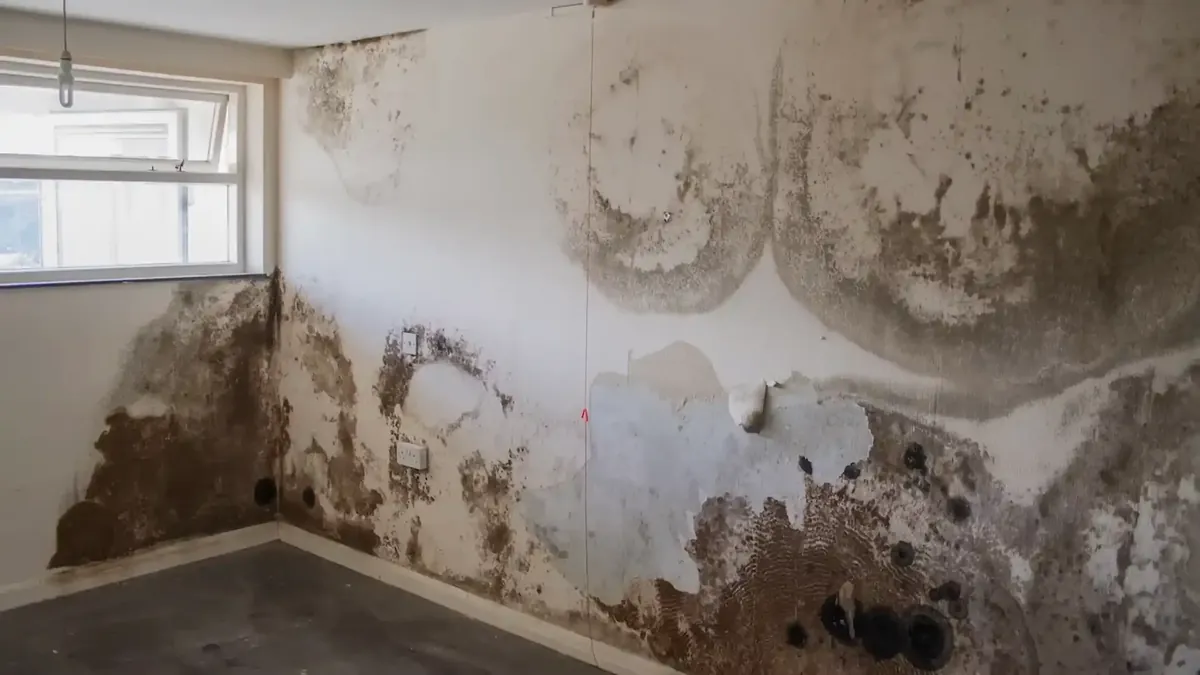
Wall Leak Detection & Repair in Westminster, CO
Westminster homeowners dealing with wall leaks can reach our team at (303) 552-3896. We use non-invasive acoustic, thermal, and tracer-gas technology to locate the failure point before any wall or slab opening work begins. Licensed in Colorado through DORA. Serving all of Westminster, Adams and Jefferson Counties.
What Causes wall leaks in Westminster
Westminster's US-36 Denver-Boulder corridor growth through the 1970s and 1980s produced a concentrated stock of homes with copper supply lines routed through finished wall cavities. In Cotton Creek, Trendwood, Mandalay Gardens, and Wright Farms, those copper branches are now 40 to 50 years old under the city's 7-to-8-grain-per-gallon Clear Creek water, and the pinhole failures that are appearing in those systems produce moisture inside finished wall cavities that Westminster homeowners typically do not discover until the moisture has been accumulating for days or weeks. The US-36 corridor cohort copper failure pattern is the dominant source of wall leak calls we receive from Westminster's established residential neighborhoods, and the detective work of locating those failures without tearing open walls first is the core skill that separates an effective leak detection service from a destructive-first approach.
The US-36 corridor copper cohort concentrates wall leak risk in a specific geographic band across Westminster's established neighborhoods. A home in Cotton Creek built in 1978 has copper supply branches in its walls that have been exposed to 47 years of Clear Creek water mineral cycling. A home in Walnut Grove Westminster built in 1994 has copper branches that are 32 years old and just entering the early pinhole phase for this water chemistry. The older homes in Westminster Heights and Hilltop Westminster on the Adams County side have galvanized steel supply branches in some walls that fail through a different mechanism, producing reddish-brown water staining on the drywall exterior rather than the clear-water saturation pattern that copper pinholes produce. The difference in failure type between the galvanized-steel older cohort and the copper middle cohort affects both the detection approach and the repair recommendation.
Wall Leak Detection & Repair: The Westminster Detection Process
Westminster wall leak detection begins with a pressure isolation test on the supply branches serving the suspected wall area. We close fixtures and observe the system pressure at the main shutoff to confirm an active leak before deploying thermal imaging. Thermal imaging surveys the suspect wall surface from the interior in both heating and cooling season conditions, identifying temperature anomalies that indicate moisture accumulation in the wall cavity. Acoustic listening equipment is pressed against the drywall surface at the anomaly location to detect the specific acoustic signature of pressurized water escaping through the pipe and into the wall cavity. The combination of thermal map and acoustic confirmation narrows the opening location to a target area before any wall surface is disturbed.
When you call (303) 552-3896, we ask three questions upfront: the approximate age of your Westminster home, your foundation type (basement, slab, or crawlspace), and whether you've noticed hot-spot flooring, a spike in your City of Westminster water bill, or unusual sounds from the wall. This pre-diagnosis shapes which detection tools we bring — so the right equipment arrives on the first visit.
Wall Leak Detection & Repair: The Repair Phase
Westminster wall leak repairs are completed in a single visit when the supply branch requires only a section replacement or fitting swap. The wall opening at the confirmed leak location is made with a drywall saw to a clean perimeter, which produces a patch panel that can be reused if the drywall is dry. The failed pipe section or fitting is replaced with type-matched copper or, where the homeowner elects a permanent upgrade, PEX tubing with push-fit transition fittings. The repair is pressure-tested before the wall is closed, and the joist bay is assessed for moisture extent before patching. Drywall patching uses a California patch or a back-clip panel depending on the opening size, followed by joint compound finishing, texture matching, and paint. We provide the complete finished wall as the end product of the service.
Westminster Water Chemistry and wall leaks
Westminster's Clear Creek surface water arrives at the Semper Water Treatment Facility and the Northwest Water Treatment Facility at a hardness of 100 to 135 parts per million, or roughly 7 to 8 grains per gallon. That sits in the moderately-hard category — harder than Denver's typical municipal blend at comparable pressure — and hard enough to deposit meaningful scale at copper sweated joints over a 20-to-35-year lifespan. Combined with Westminster's Front Range bentonite clay that shifts buried pipes annually, the mineral load creates a dual stressor on aging supply systems. Westminster's 1970s-to-1990s copper cohort in Cotton Creek, Trendwood, and Walnut Grove Westminster is generating the highest call volume for copper-related failures right now.
Common Questions About wall leaks in Westminster
Related Westminster Leak Services
Westminster wall leaks that are traced to copper supply branches in the 1970s-80s housing cohort connect to our copper pipe assessment service, which evaluates the adjacent pipe condition after the immediate wall repair to identify additional failure points before they develop. Westminster homes in Westminster Heights and Hilltop Westminster where the wall leak traces to galvanized steel supply branches should consider our whole-house repipe service, since galvanized branches in wall cavities at 60-plus years of age are typically at or past end of life across the full system. Westminster wall leaks that have produced moisture in the ceiling below the affected wall level connect to our ceiling leak service for the floor assembly moisture assessment.